

Blog
Insights
What Are Leading Spirits Brands and Bottlers Buying in Bulk Right Now?
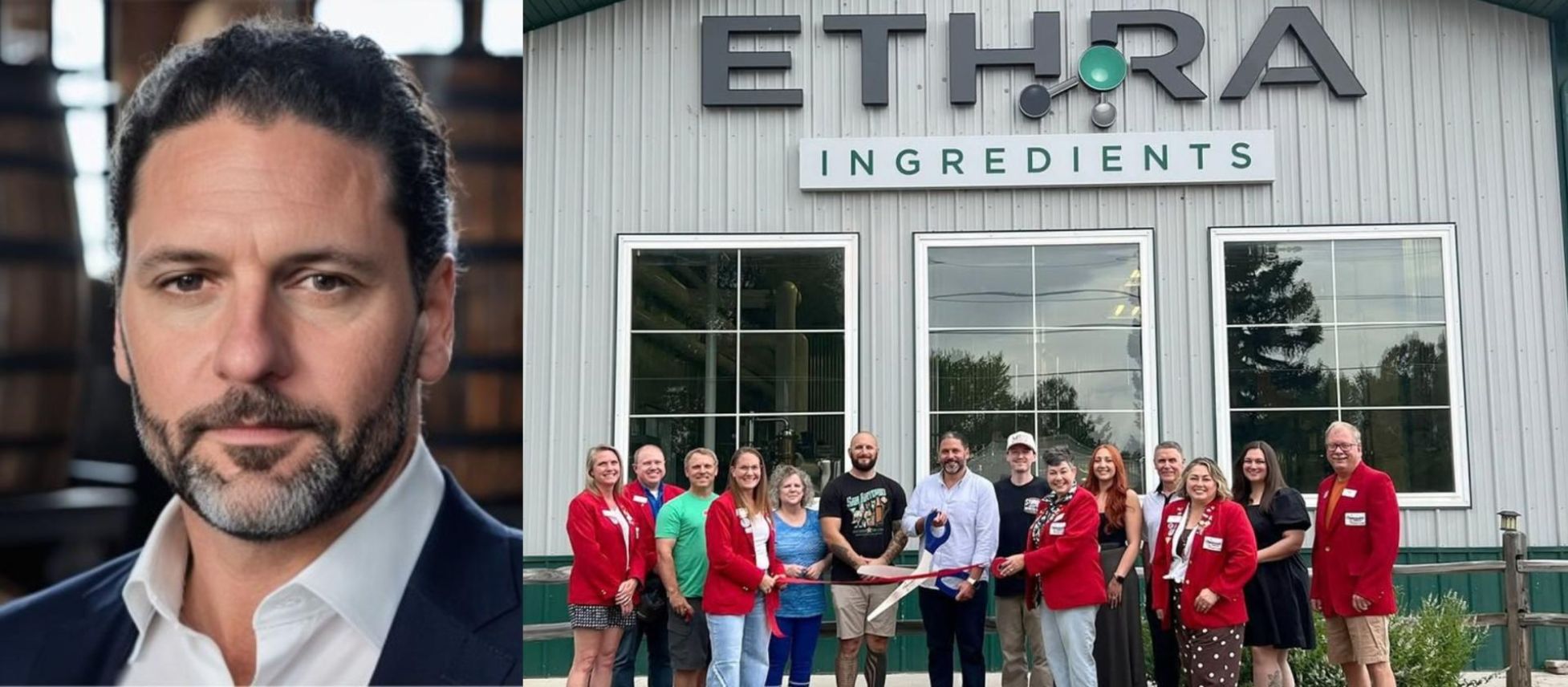
Ray DiGilio of Ethra Ingredients discusses current bulk-spirit demand, American whiskey pricing, buyer requirements, private-label development, RTDs, and the market opportunities he expects to see in 2027.
The bulk spirits market is giving buyers greater choice, flexibility and negotiating power, but price is only part of the equation. Brands, independent bottlers and private-label producers increasingly want complete solutions that help them bring differentiated products to market faster.
In this interview, Ray DiGilio of Ethra Ingredients shares what professional buyers are sourcing, how oversupply is affecting American whiskey, what buyers expect from suppliers, and where he sees future opportunities across spirits, RTDs, non-alcoholic ingredients, and custom formulations.
Ray, could you begin by explaining your role at Ethra Ingredients and the types of bulk-spirit buyers you currently work with?
Ethra Ingredients is a specialty bulk manufacturer serving the spirits, ingredients, and non-alcoholic beverage markets. I’ve spent more than 20 years in the spirits industry. At Ethra, my focus is simple: stay ahead of the market and develop differentiated products and services that create meaningful value for our customers. We work with a broad range of buyers, from emerging brands and craft producers to larger beverage, ingredient, and consumer product companies. Our goal is to become a trusted extension of our customers’ product development and supply chain.
What are leading spirits brands, independent bottlers, and private-label producers buying in bulk right now?
Right now, buyers are looking for a combination of value, flexibility, and products they can bring to market quickly. In American whiskey, there is significant interest in mature bourbon that is ready to blend, finish, or bottle, but buyers have tremendous choice and are extremely price-sensitive. Independent bottlers are also taking advantage of the availability of aged inventory to look for distinctive barrels, age statements, mash bills, and finishing opportunities. For leading brands and private-label producers, neutral spirits and other scalable base liquids remain important, particularly for vodka, gin, rum, tequila, flavored spirits, RTDs, and RTS cocktails. We’re also seeing demand move beyond the base spirit into custom blends, flavor systems, extracts, and other specialty ingredients that reduce the amount of development and processing the customer has to manage themselves. The common theme is flexibility. Buyers increasingly want liquid that can be commercialized quickly, at the right price, with consistent quality and a supplier capable of helping them take it further toward a finished product.
Which categories such as whiskey, rum, tequila, vodka, gin or neutral grain spirit are generating the most buyer enquiries?
Every category has its day in the sun. Right now, neutral-spirit-based flavored products and flavored whiskeys continue to generate significant demand. American whiskey and tequila are going through a market correction, but I believe both have long-term growth ahead of them, more specifically, on the international level. We’re also seeing more measured, organic growth in categories like gin and rum.
Within American whiskey, what ages, mash bills, barrel types, and volume levels are buyers currently seeking?
American whiskey is in a market correction and, frankly, a bit of a Wild West buying environment right now. There was a time when buyers focused heavily on specific mash bills—high-rye and wheated bourbons, for example. Today, price is driving much more of the conversation, particularly for three-year-and-older expressions. Buyers have significant access to mature bourbon at cost-plus pricing and are taking advantage of that opportunity to bottle, blend, or further finish the liquid. One trend we’re seeing is buyers purchasing the base whiskey at a lower cost and then investing in more expensive or niche cask finishes to create differentiation and justify a premium. PX, Oloroso, Amburana, Mizunara, and ex-tequila casks are a few examples. Internationally, I also see a real opportunity for American single malt. Global consumers already understand Scotch and the broader single malt category, which gives American single malt a familiar reference point. Bourbon, by comparison, has a distinctly American flavor profile that may be less familiar to consumers in some international markets.
Are buyers primarily looking for fully matured liquid that can be bottled quickly, or are they prepared to purchase younger inventory and develop it through blending and additional ageing?
Most buyers today want mature liquid that can move to bottle quickly. Price and speed matter. Buyers developing premium or differentiated products are more willing to purchase younger inventory and create additional value through aging, blending, or finishing.
How has the current availability of aged spirits affected bulk pricing and buyers’ negotiating power?
Availability of aged spirits in the U.S. is extremely high. Buyers have tremendous choice, and the continued oversupply is putting downward pressure on pricing. For well-capitalized buyers, the negotiating environment is exceptionally favorable. There have been few periods when buyers have had this much leverage across both liquid selection and price.
Are established companies and emerging brands approaching bulk sourcing differently?
We’re seeing more opportunities for small- and mid-sized specialty producers to compete for larger projects, but converting those opportunities into a meaningful share of a customer’s total supply remains challenging. Large producers still have significant advantages in price, scale, and track record. Smaller suppliers must compete differently—through speed, flexibility, innovation, specialized capabilities, and the ability to provide more complete solutions.
What specifications do professional buyers typically provide when requesting samples or quotations from a bulk spirits supplier?
Professional buyers expect detailed product specifications and supporting documentation. COAs, SDSs, and third-party verification of quality, stability, and shelf life are increasingly standard. Depending on the product, buyers may also require Non-GMO, Kosher, or USDA Organic certifications, along with information on waste management, energy efficiency, sustainability, and byproduct utilization. For larger customers, documentation is only the beginning. Facility audits are common because buyers want to see the equipment, quality systems, SOPs, and operational controls firsthand. Suppliers may go through multiple rounds of quality and technical review before being approved and awarded a percentage of the customer’s annual supply requirements.
Beyond the quality of the liquid, what factors carry the most weight when buyers compare suppliers—price, provenance, minimum volume, consistency, certifications, lead time, or production capacity?
Beyond quality:
1. Price – Competitive pricing is critical, particularly the ability to deliver strong quality at a competitive price, with clearly defined volume and bulk-purchase discounts.
2. Provenance – Generally less important, unless the customer is in a market with a significant spirits manufacturing presence, such as Texas, California, New York, or Florida, where local or regional provenance may carry more value.
3. Minimum Volume – Low minimum order quantities (MOQs) are increasingly attractive, particularly for emerging brands and customers managing inventory conservatively.
4. Consistency – Buyers expect a high degree of batch-to-batch consistency and will often require multiple rounds of samples for evaluation and testing by their internal quality or laboratory teams.
5. Certifications – Non-GMO, Kosher, and USDA Organic certifications are frequently requested. FDA-related requirements may also apply depending on the bulk product and its intended use.
6. Lead Time – Buyers generally want lead times to be as short as possible. In my experience, even national and global brands are struggling with accurate production forecasting, making supplier responsiveness and flexibility increasingly important.
7. Production Capacity – Larger buyers need confidence that a supplier has the capacity, equipment, and operational infrastructure to scale production and support national or global distribution.
AN ADDITIONAL ADD-ON TO MENTION: Reputation & Relationships – I would also add supplier reputation and pre-existing relationships to this list. A strong industry reputation, proven track record, and an established relationship with the supplier or salesperson can carry significant weight, particularly when buyers are evaluating multiple qualified suppliers.
Are you seeing more demand for bulk liquid alone, or for complete solutions that include formulation, blending, bottling, compliance, and packaging?
Complete solutions. Companies are increasingly recognizing the cost and complexity of licensing, compliance, manufacturing, and distribution. Many would rather focus their capital and resources on brand development, marketing, and sales while qualified partners manage more of the production and supply-chain infrastructure. We’re also seeing more rectifiers focused on sourcing, blending, finishing, and product development rather than traditional distillation. The market is shifting from “sell me the liquid” to “help me get the finished product to market—cheaper, faster, and better.”
What are buyers currently looking for when developing private-label spirits for retailers, hospitality groups or other commercial customers?
Cost is critical. Private-label buyers want competitive liquid and packaging costs without sacrificing the quality required for their market. We’re also seeing strong demand for recipe development and profile matching. Buyers often want products that compete within flavor profiles consumers already understand, then differentiate through price, positioning, packaging, or brand.
How are RTDs and ready-to-serve cocktails changing demand for base spirits, GNS and custom formulations?
RTDs and RTS cocktails continue to drive demand for base spirits, but the bigger opportunity is in the finished formulation. Buyers increasingly want a complete bulk solution that can move directly into packaging. That reduces overhead, simplifies production, and lowers co-packing costs. The opportunity is no longer simply selling the base spirit. It’s delivering the complete liquid solution.
What minimum order quantities should a new brand realistically expect when buying bulk spirits or working with a contract producer?
MOQs have changed dramatically. Today, many suppliers will sell as little as a five-gallon pail, a single barrel, or a 55-gallon drum. Oversupply has made the market much more flexible. The real constraint is increasingly freight. When shipping and handling begin to cost as much as—or more than—the liquid itself, the economics quickly stop making sense. In many cases, the practical MOQ is now determined by transportation economics, not product availability.
What warning signs cause buyers to reject a supplier, even when the liquid itself is good?
Above-market pricing without justification, poor transparency, questionable inventory, slow communication, and missed commitments are all warning signs. Buyers want to know who they’re doing business with—whether they’re dealing directly with a producer or through a broker—where the liquid originates, who controls the inventory, and whether the supplier can consistently deliver what it promises. Reputation matters. A great product doesn’t overcome a history of poor execution. Trust still carries tremendous value in this industry.
Where do you currently see gaps in the market that bulk spirits suppliers could serve more effectively?
Four areas: order process efficiency, delivery reliability, specialization, and breadth of service. The industry can make it much easier to move from inquiry and sampling through quoting, contracting, payment, and shipment. Buyers also expect faster delivery and greater visibility into inventory, production, and timing. The biggest opportunity, though, is moving beyond commodity liquid. Customers increasingly want specialty products, custom formulations, and complete solutions. They also want fewer handoffs and fewer vendors to manage. The more of the supply chain a qualified supplier can handle and simplify, the more value that supplier creates.
Looking toward 2027, what do you expect leading brands and bottlers to source more of and what will they buy less of?
I don’t expect a full correction in bulk spirits supply or pricing in 2027. For standard products, low price and consistent quality will remain king. I expect the “protect the ship” mentality to continue, with both suppliers and customers remaining conservative around capital, inventory, and production commitments. That means commodity liquid alone won’t be enough. Producers will need to become more creative and well-rounded in their offerings. I expect continued growth in RTDs, RTS cocktails, flavor systems, non-alcoholic ingredients, and complete bulk solutions. Suppliers that can combine competitive economics with specialty capabilities and solve more of the customer’s needs will be better positioned to capture those opportunities.
Also Read:
Leading Through Uncertainty: How to Find Growth in Challenging Times
How Private-Label Wine Business Is Really Built: Michael Salzer of Trinchero Family Estates
If you're a bulk wine or bulk spirits supplier, contract bottler, or private label producer aiming to connect with serious trade buyers, IBWSS San Francisco is the event you can't afford to miss. Get a quotation or book an exhibitor table.