

Blog
Insights
The Club Retail Playbook: Ryan Pandl of BJ's Wholesale on Private Label in 2026
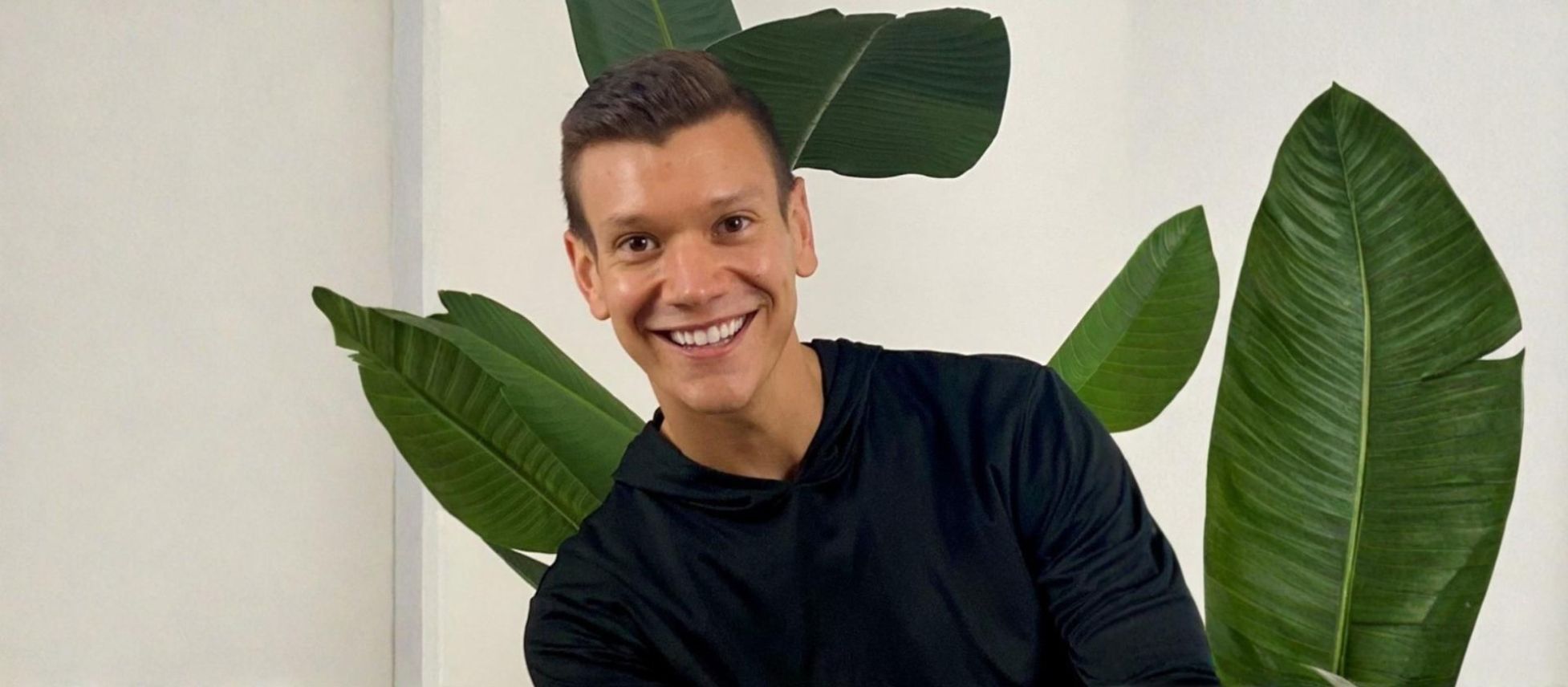
What suppliers get wrong — and what wins the business.
Private label is no longer a fallback strategy for retailers; it's a growth engine. For club retailers like BJ's Wholesale, exclusive and own-brand programs have become a primary lever for driving member loyalty, margin, and differentiation in an increasingly competitive landscape. But winning a club private label program requires more than a great liquid. It demands operational discipline, a genuine understanding of the club channel, and a long-term partnership mindset that most suppliers haven't yet developed.
Ryan J. Pandl, Sr. Merchant for Beer, Wine & Spirits at BJ's Wholesale, is one of the people making those calls. He joins the national retail buyer panel at IBWSS San Francisco on July 28, and ahead of the show, we asked him to share how he thinks about private label, what he's looking for in a supplier, and where the real opportunity lies.
BJ's has been expanding its private label and exclusive brand program. What's driving that push: margin, member loyalty, or something else?
It's really all of those factors working together, but creating member value is always at the center of the strategy. Own Brand and exclusive labels allow us to offer differentiated, high-quality products that members can't find at our competitors. That creates a stronger value proposition while also giving us more control and stability over our margin rates.
For BJ's, the goal isn't simply to replace national brands. It's about filling gaps in the assortment, creating unique reasons to shop our clubs, and delivering quality that exceeds member expectations at a compelling price point. It also gives us the unique opportunity to serve them with exactly what we know they will want. When we get that right, we drive loyalty, deliver member value, increase basket size, and improve profitability simultaneously.
When a supplier approaches you about an exclusive or private label program, what does the first conversation need to cover for you to take it seriously?
The first conversation needs to focus on capability and alignment, not just the liquid. We want to understand whether the supplier can consistently deliver the quality, volume, and economics required for a club retail environment. We're also looking for someone who will be a true, flexible partner with us and always deliver consistent cost and quality over time.
I'm looking for clarity around production capacity, sourcing strategy, quality control processes, innovation capabilities, and long-term partnership expectations. We also need to understand whether they appreciate the unique requirements of club retail, including pack architecture, value positioning, and operational execution.
If a supplier can clearly articulate how they'll help create member value while supporting our business objectives, then we can start talking about specific products and projects. 9 times out of 10, I prefer to initiate the conversation because I generally already have an idea of what I'm looking for.
Club retail has specific requirements around pack size, price architecture, and member value perception. How early in the development process do those constraints need to be built in, and who's responsible for getting them right?
Those constraints need to be built into the program from day one. In club retail, you can't develop a product first and figure out the pack or economics later. The package configuration, price point, and member value proposition are fundamental components of the product itself.
Responsibility ultimately sits with both parties. We have to clearly communicate member expectations and category strategy, while the supplier has to design a solution that can meet those requirements operationally and financially. We also need partners to be flexible. Volume and velocity vary by club, and there is not a one-size-fits-all merchandising approach across all of our locations.
The most successful programs are collaborative from the start. Merchandising, sourcing, packaging, supply chain, and the supplier's production team should all be aligned early in the process.
How do you evaluate a winery or distillery's ability to scale? What signals tell you they can actually deliver once a program is live?
Past performance matters, but I'm also looking at operational discipline. Can they demonstrate consistent production capacity? Do they have contingency plans for raw materials and packaging? How diversified are their sourcing relationships? Is this project a realistic fit for their capabilities, or will it stretch them and ultimately cause issues down the road? I want to partner with suppliers that are the best at what they do.
We're looking closely at inventory management, forecasting capabilities, quality assurance programs, and their track record supporting national or regional customers.
One of the strongest signals is transparency. Suppliers who understand their constraints and proactively discuss how they'll manage growth tend to be more reliable than those who simply promise unlimited capacity. A successful launch creates demand quickly, and we need confidence that they can sustain supply without compromising quality.
Tariffs and supply chain pressure have made sourcing more complicated. Has that shifted how you think about domestic versus imported product when building exclusive programs?
It's certainly increased the importance of supply chain resilience and total cost analysis. We're evaluating sourcing decisions through a broader lens than we were several years ago and being more open to new sourcing regions and varietals.
That doesn't mean domestic products automatically win, or that imports become less attractive. Many imported wines and spirits offer unique attributes that members value, and that simply can't be replicated domestically.
What has changed is the level of scrutiny around risk. We're spending more time evaluating sourcing flexibility, transportation exposure, inventory strategies, and contingency planning. The strongest programs today are built with resilience in mind, regardless of where the product originates. Lastly, we are working to diversify our total assortment (import vs. domestic) over time, so we are less dependent on specific regions of origin and can pivot if an unexpected cost increase or business pressure arises.
What does a supplier get wrong most often when pitching a club retailer, and once a program is live, what metrics determine whether it gets renewed, expanded, or cut?
The biggest mistake suppliers make is focusing on what makes the product special instead of what makes it relevant to club members. A great story or award-winning liquid is helpful, but it doesn't replace a compelling value proposition. Delivering value to our members is always the most important thing!
Another common mistake is underestimating the scale and operational complexity of a successful club program. Winning the business is only the beginning.
Once a program is live, we're looking at a combination of metrics. Sales performance is obviously important, but we're also evaluating margin contribution, member penetration, repeat purchase behavior, inventory productivity, supply chain execution, and overall category impact. The item's role within the assortment will vary from project to project.
Programs that consistently create value for members while delivering strong financial results are the ones that get renewed and expanded.
[[relatedPurchasesItems-71]]
Where do you see the genuinely underdeveloped private label opportunity in beer, wine, or spirits right now, and what are you hoping producers take away from your session at IBWSS?
In general, we're continuing to develop premium-quality products that overdeliver against member expectations at approachable price points. Consumers have become much more willing to purchase private label products when quality and value are clearly evident. Realistically, the biggest opportunity also lies in varietals and spirit types that are approachable and familiar to our members...something they'll recognize at a price that will wow them.
Today we're working on repositioning our private label program for long-term, sustainable growth. While there are premium-priced opportunities down the road, my most immediate priority is building a strong foundation across wine and liquor that will introduce our members to the brand, build loyalty and credibility, and, ultimately, set it up for long-term success. Across wine & liquor, there is an opportunity to create products that feel special and differentiated without losing sight of value.
My hope for producers attending IBWSS is that they recognize private label and exclusive programs as strategic partnerships, not simply manufacturing opportunities. The best programs are built when retailers and suppliers collaborate to solve a member need together. If producers understand the club channel, invest in long-term relationships, and focus relentlessly on delivering member value, there is significant opportunity for growth on both sides.
CONCLUSION
What comes through clearly in Ryan's answers is that the bar for private label at club retail is higher than many suppliers expect, and the opportunity is bigger than many have realized. Member value isn't a slogan at BJ's; it's the filter every decision gets run through, from the first supplier conversation to the metrics that determine whether a program gets cut or expanded. For producers who understand that, and who can bring operational reliability alongside great liquid, the club channel represents one of the most significant volume opportunities in the US market right now.
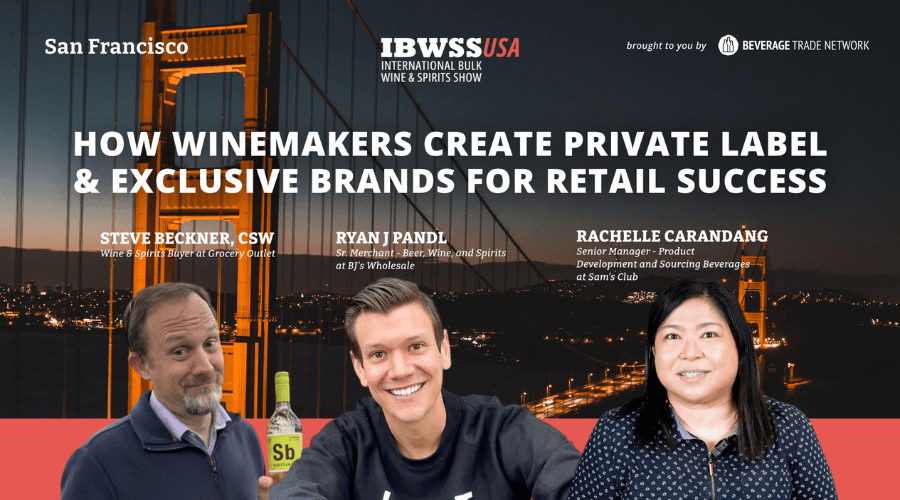
Ryan Pandl will be on the national retail buyer panel at IBWSS San Francisco on July 28 alongside buyers from Grocery Outlet and Sam's Club. If you're a producer, winery, or distillery building a private label or exclusive brand program, this is the session you don't want to miss. Register at ibwsshow.com.
Also Read:
Private Label & Exclusives: How Retailers Build Winning Brands
Sitting On Cleanskins, Bulk Wine, Or Excess Inventory? Don’t Sit On Stock Another Year.
Sitting On Bulk Spirits Or Excess Inventory? Time For New Partnerships.
If you're a bulk wine or bulk spirits supplier, contract bottler, or private label producer aiming to connect with serious trade buyers, IBWSS San Francisco is the event you can't afford to miss. Get a quotation or book an exhibitor table.