

Blog
Insights
Logistics Isn't Just About Moving Wine. It's About Protecting Margins.

From freight costs to customs compliance, learn how strategic logistics can improve profitability and support long-term export growth.
For wine and spirits producers shipping internationally, logistics has evolved from a back-office function into a strategic business advantage. Freight costs remain volatile, sustainability expectations continue to rise, and increasingly complex customs requirements mean that every shipment carries both financial risk and commercial opportunity.
According to Stephan Marusczyk, Global Sea Logistics VinLog Development Manager at Kuehne+Nagel, the producers that perform best are no longer simply negotiating freight rates. They are building supply chains that improve reliability, reduce waste, and protect margins.
The hidden costs producers often overlook
While freight rates usually receive the most attention, Marusczyk says many of the biggest losses come from operational inefficiencies that are largely avoidable.
Poor forecasting, last-minute bookings, avoidable demurrage and detention charges, incorrect documentation, inefficient container utilisation, and weak coordination between production, inventory, and shipping teams can all quietly erode profitability.
"Good logistics is not only about buying the lowest freight rate. It is about reducing the total cost across the full supply chain."
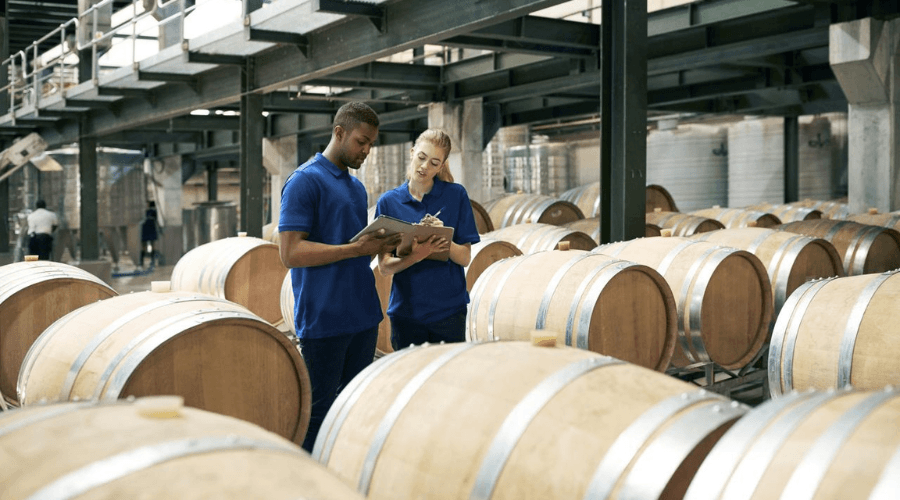
Image Source: Kuehne-Nagel
Planning early creates immediate savings
Shipment timing has a direct impact on logistics costs.
Early planning provides access to more carrier options, better pricing, improved equipment availability, and lower exposure to delays and storage charges. In contrast, last-minute shipping often forces producers into premium freight rates and less efficient routing.
This becomes particularly important for wine and spirits producers working around harvest periods, seasonal demand, retail promotions, and export deadlines.
Marusczyk recommends that producers develop accurate shipment forecasts, consolidate volumes whenever possible, optimise container loading, and regularly review routing options and Incoterms rather than treating each shipment as a standalone exercise.
Choosing a logistics partner with beverage expertise
Bulk wine and spirits require specialist handling that extends beyond standard freight forwarding.
When selecting a logistics provider, producers should evaluate industry expertise, global carrier networks, customs capabilities, food-grade handling standards, shipment visibility tools, and experience managing flexitank and isotank solutions.
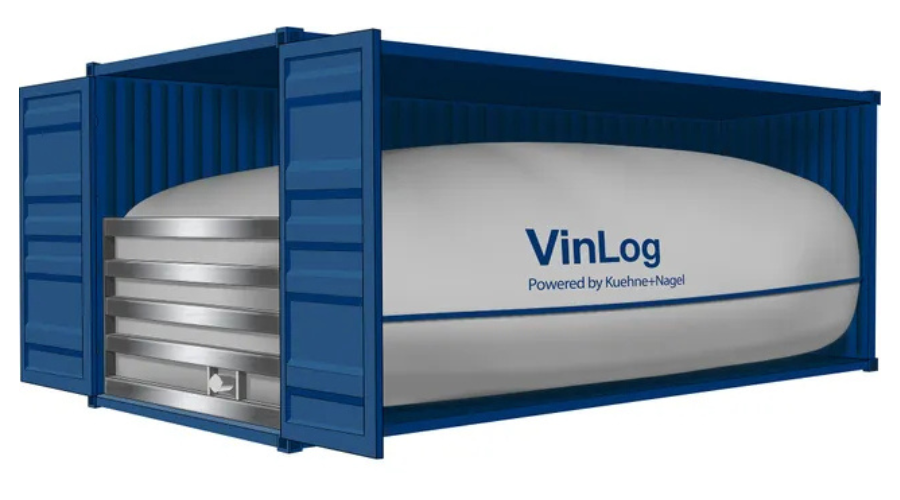
Image: Flexitank. Source: Kuehne-Nagel
Marusczyk also believes the relationship itself matters.
Long-term partnerships built on communication and trust typically deliver greater value than purely transactional freight arrangements, particularly when unexpected disruptions occur.
Documentation remains one of the biggest risks
Many costly shipment delays still begin with paperwork rather than transport.
Incorrect commercial invoices, missing certificates, inaccurate HS codes, incomplete customs declarations, incorrect consignee information, and late documentation submissions remain common causes of delays.
For international wine and spirits shipments, compliance should be verified before cargo reaches the port, not after containers are already in transit.
Better visibility leads to better decisions
Digital tools are improving the way producers manage their supply chains.
Modern tracking platforms, digital documentation, forecasting systems, and operational dashboards provide greater visibility into shipment status, inventory, and exceptions before they become larger problems.
The greatest value is not simply knowing where cargo is located, but having the information needed to make faster commercial decisions around cost, timing, customer service, and inventory management.
[[relatedPurchasesItems-71]]
Build the logistics model before expanding exports
One mistake Marusczyk frequently observes is companies securing new export customers before establishing the logistics infrastructure needed to support growth.
Instead, producers should define target markets, preferred shipping routes, documentation requirements, inventory strategies, and logistics partnerships before increasing export volumes.
Scalable growth depends on consistency throughout the supply chain rather than reacting to operational issues as they arise.
The next five years
Looking ahead, Marusczyk expects producers to face continued freight market volatility alongside increasing sustainability requirements, wider adoption of digital documentation, stronger focus on supply chain resilience, and growing pressure to reduce carbon emissions.
He also expects greater adoption of bulk shipping solutions, alternative packaging formats, and data-driven supply chain management.
For producers competing in international markets, logistics is becoming far more than an operational necessity. It is increasingly a commercial capability that directly influences profitability, customer satisfaction, and long-term competitiveness.
Also Read:
Beyond the Bottle: How Smart Packaging and Closures Protect Quality and Improve Profitability
'Relationships Win Bulk Spirits Deals': Bill Auxier on What Suppliers Need to Know
If you're a bulk wine or bulk spirits supplier, contract bottler, or private label producer aiming to connect with serious trade buyers, IBWSS San Francisco is the event you can't afford to miss. Get a quotation or book an exhibitor table.